
Establishing a lawn
Do you want to start a garden implementation?
Call +48 533 109 018 to arrange a meeting and receive a price list within 24 hours
Beneficial file for you
What is worth thinking about before staring a garden?
Which lawn to choose:
rolled or seeded lawn
When starting a new lawn, many people wonder which is better: rolawn or seeded lawn. While laying turf is quick and produces a high quality new turf, seeded lawns are much cheaper and offer a wider range of grass types. To find out which types of grass are best for your area, contact a nearby provider (many counties and universities have extensions) or ask an expert at your local garden centre. Much of the work involved in starting a lawn from seed is the most important preparatory work, but it is equally important to water the seed and sprout regularly until the new grass is well established.
| Rolawns | Seeded lawn |
|---|---|
|
|
|
|
|
|
|
|
|
|
|
|
|
|
|
|
|
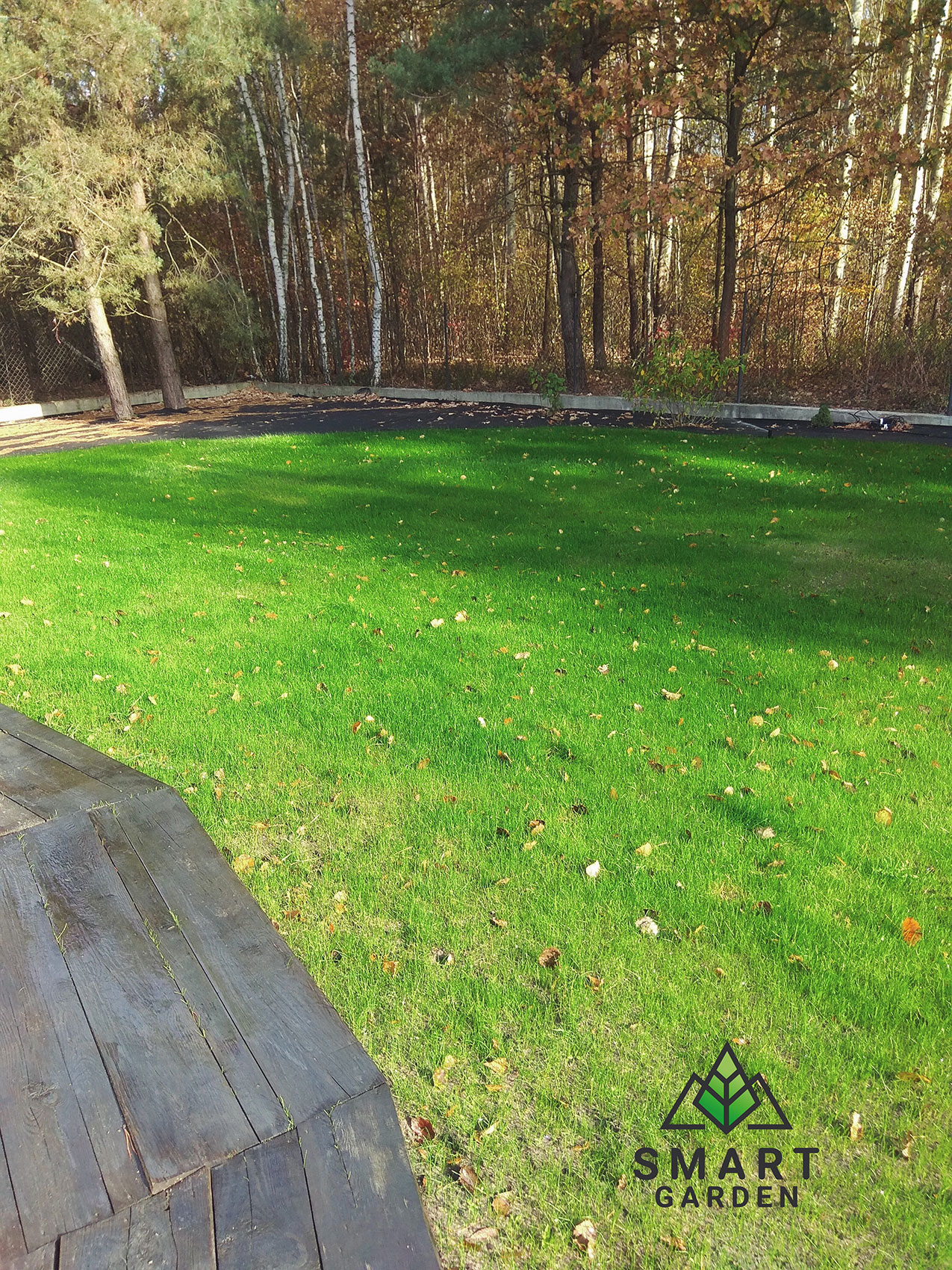

Installation of rolawns
The great advantage of a rolawn is that it can be installed practically all year round, even in winter. The method of preparing the ground is the same as for sowing seeds.
Steps in laying a rolawn:
- Ground preparation
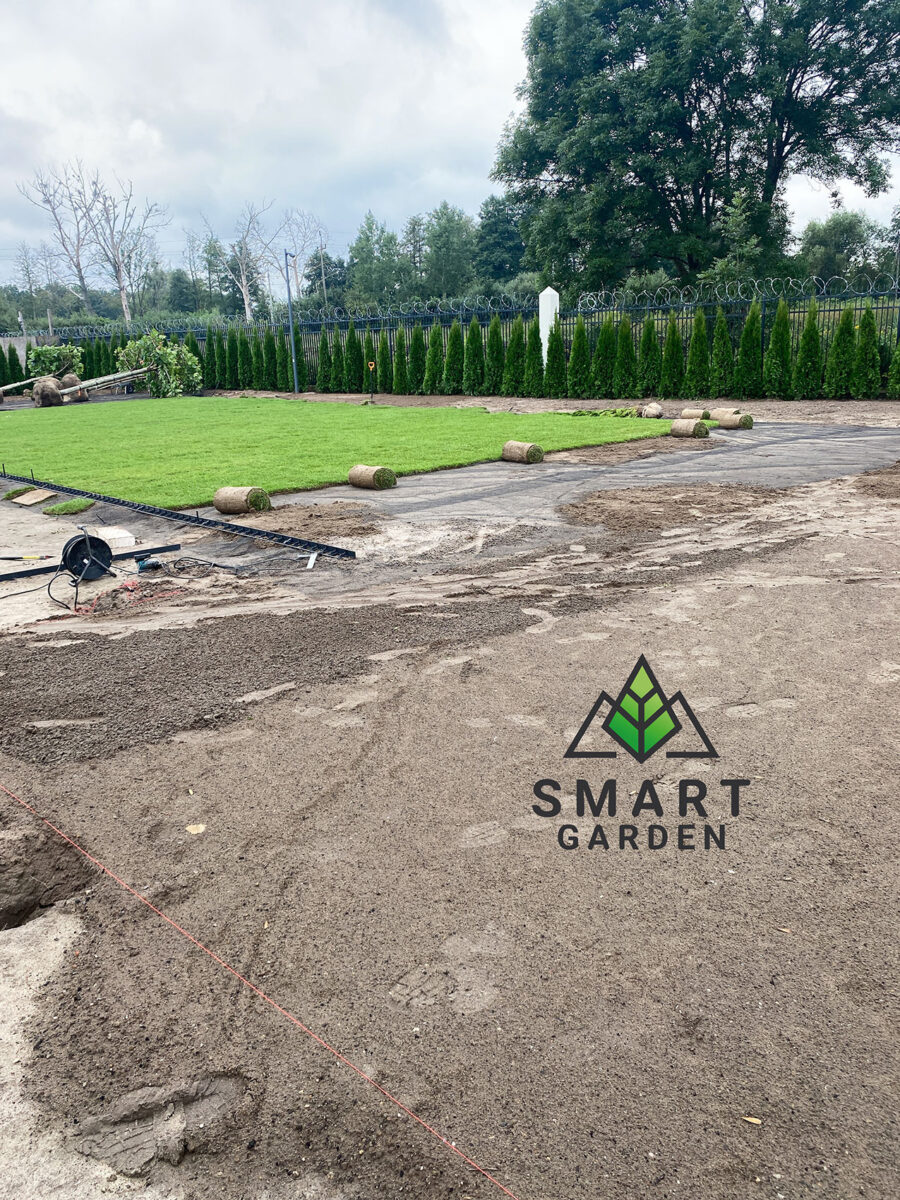
Good ground preparation is the key to a successful lawn. As with a rolawn, perennial weeds, such as perch or weedweed, should be eliminated using a herbicide. The surface should also be digged and fertilised. In the case of a sandy substrate, an organic substance (e.g. compost, peat) or garden soil is added. In the case of a clay substrate, sand plus high peat. After mixing the soil with the additives to a depth of approx. 10 cm, the surface is levelled and tamped.
- Installation of mole netting
Moles can spoil the attractive appearance of many a garden. The most effective way to combat this rodent is to use netting. It is durable, made of strong plastic and invisible in the garden.
- Laying a rolawn
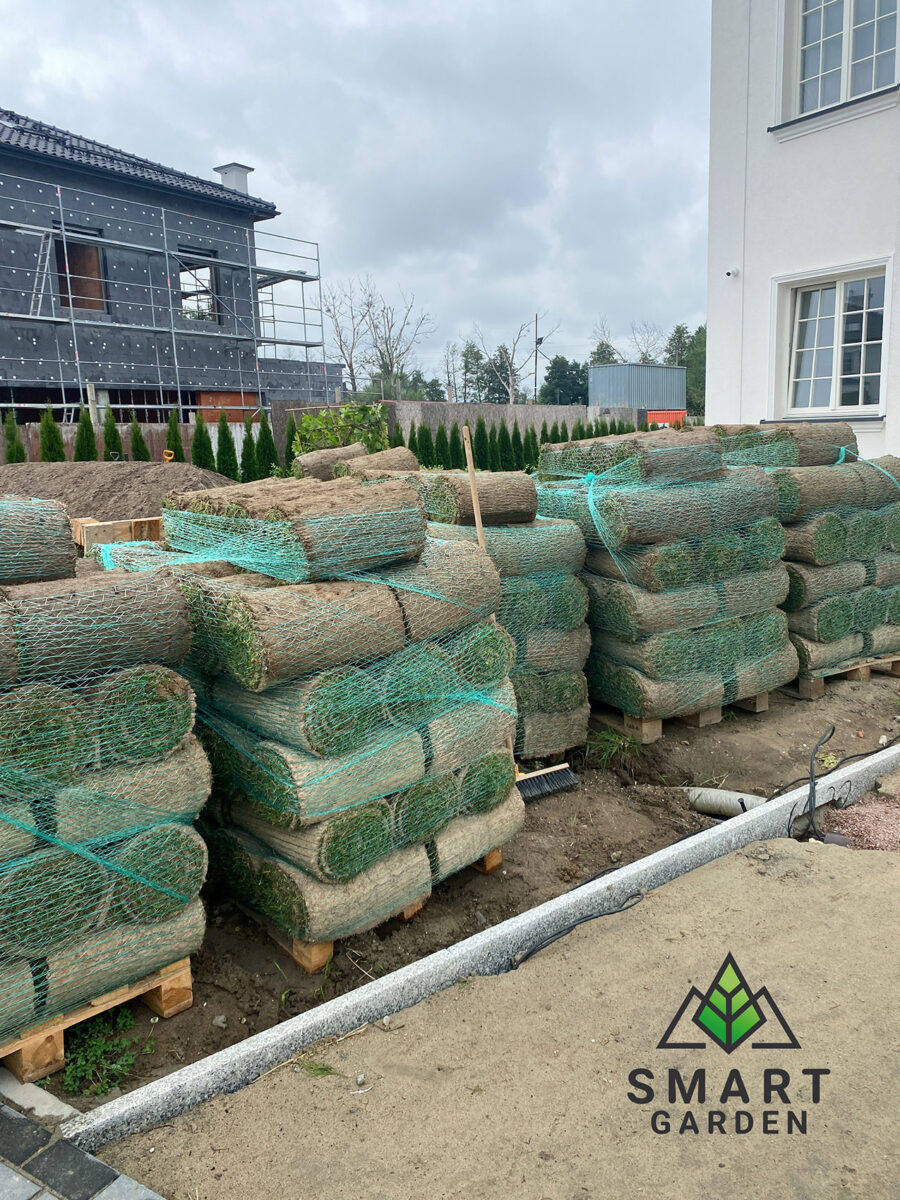
Roll out the rolls as quickly as possible, one next to the other, making sure that each successive row is offset from each other by half the length of the section. The sections fit tightly together with no gaps.
- Watering
Water is an essential factor for the life of the grass. However, watering causes a lot of problems for lawn users. They often ask when, how much and with what to water? The answer is not simple, because it depends on many factors, e.g. where the lawn is growing, the type of soil, sunshine, temperature, wind, air humidity, frequency of rainfall, the type of seed mix used and the condition of the lawn. When to water? Preferably early in the morning or in the evening after sunset. You can and should water the lawn in hot afternoons if there are clear signs of wilting or even drying out. The lawn then turns darker and loses its resilience (when trodden on, the leaves shine slightly and do not lift). However, watering in the middle of a hot day is not very economical, as 30-40% of the water evaporates.
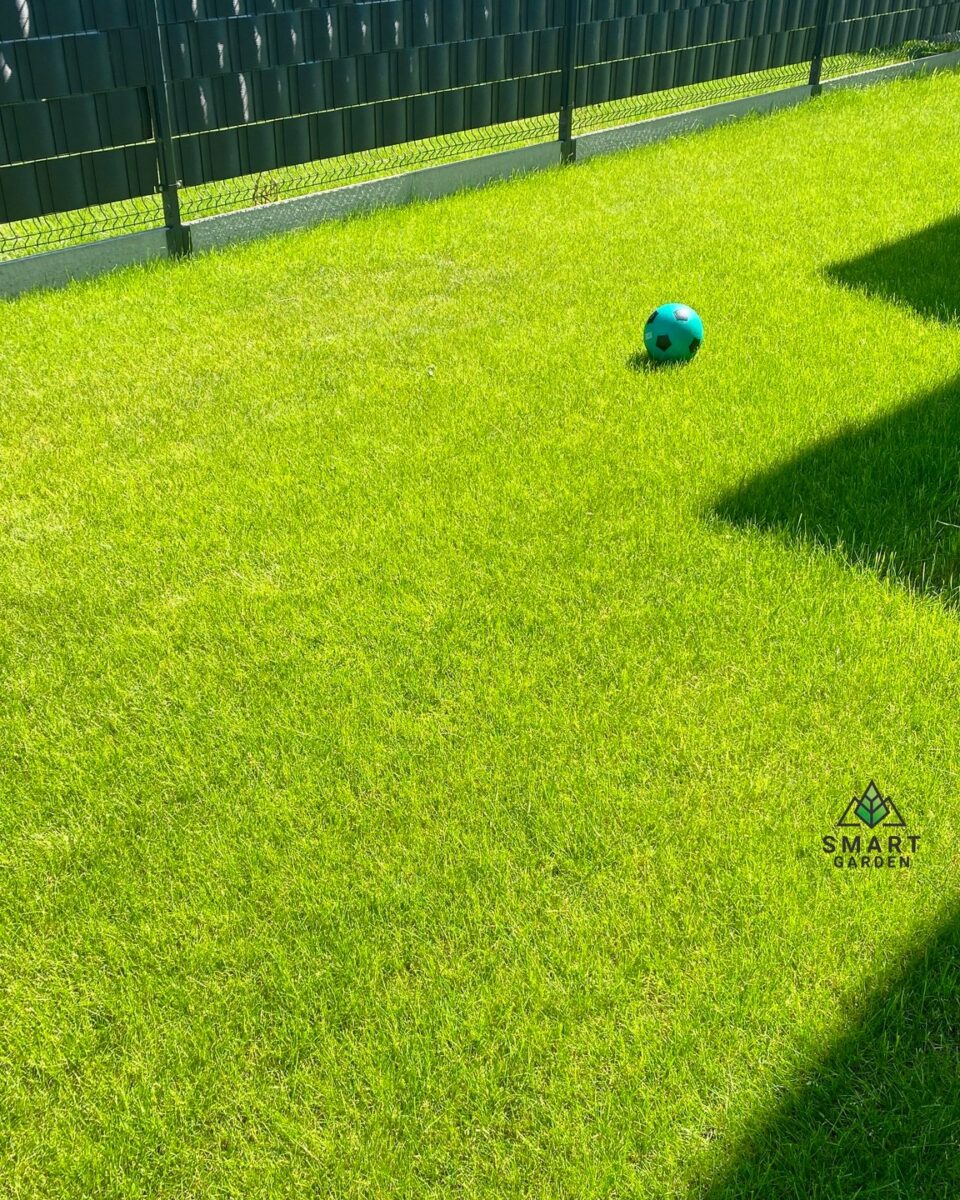
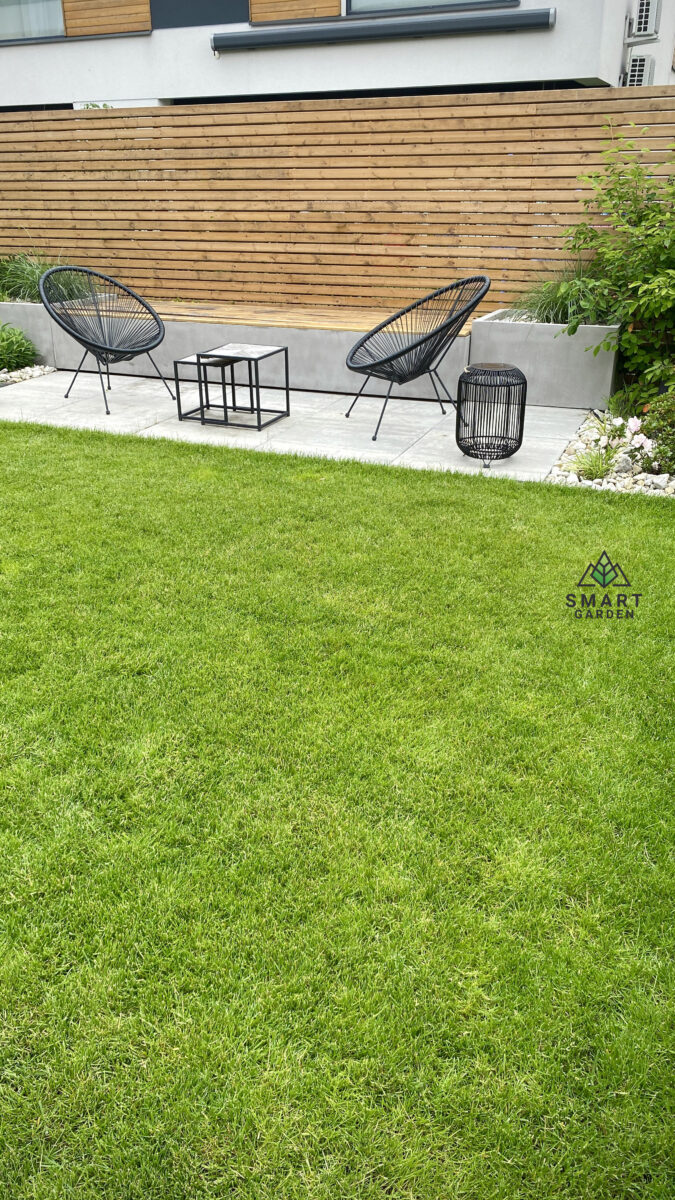
Starting a seeded lawn
Sowing of grass should take place in months where adequate water and sufficient light can be provided. The best time to sow a lawn is April to May or September.
Steps in starting a rolawn:
- Ground preparation
Good ground preparation is the key to a successful lawn. As with a rolawn, perennial weeds, such as perch or weedweed, should be eliminated using a herbicide. The surface should also be digged and fertilised. In the case of a sandy substrate, an organic substance (e.g. compost, peat) or garden soil is added. In the case of a clay substrate, sand plus high peat. After mixing the soil with the additives to a depth of approx. 10 cm, the surface is levelled and tamped.
- Installation of mole netting
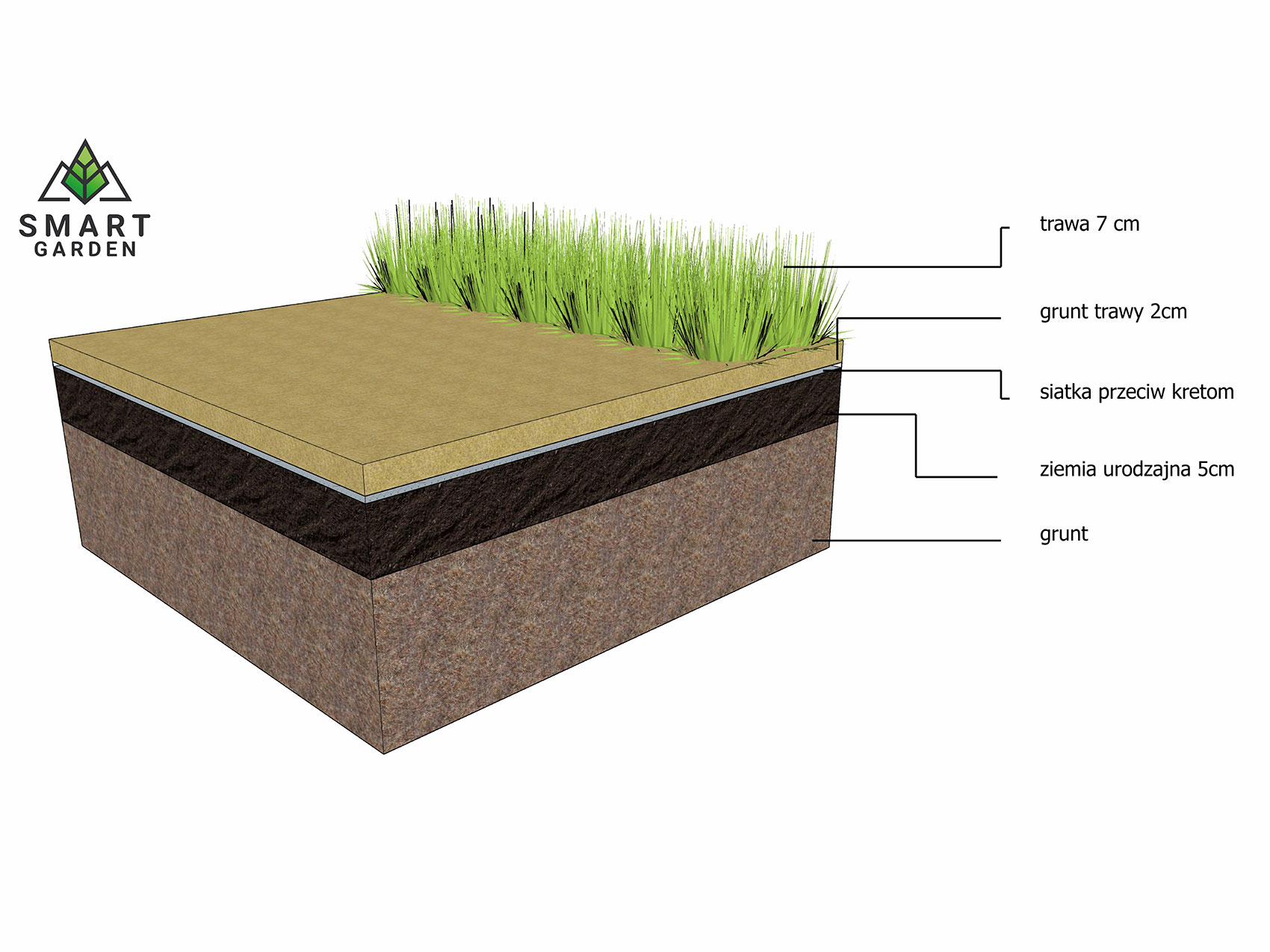
We lay the netting on a well levelled surface so that no rodents can get through. We then pour fresh, fertile soil on top in a layer of about 8 cm. It is important that this layer is not too thick, as the mole is able to exploit this space.
- Seed sowing
We sow half the seeds across the area, working in parallel rows lengthwise. Repeat the process with the remaining seed, working in parallel rows across the width. Gently rake the sown area so that most of the seed is covered by the soil and roll.
- Watering
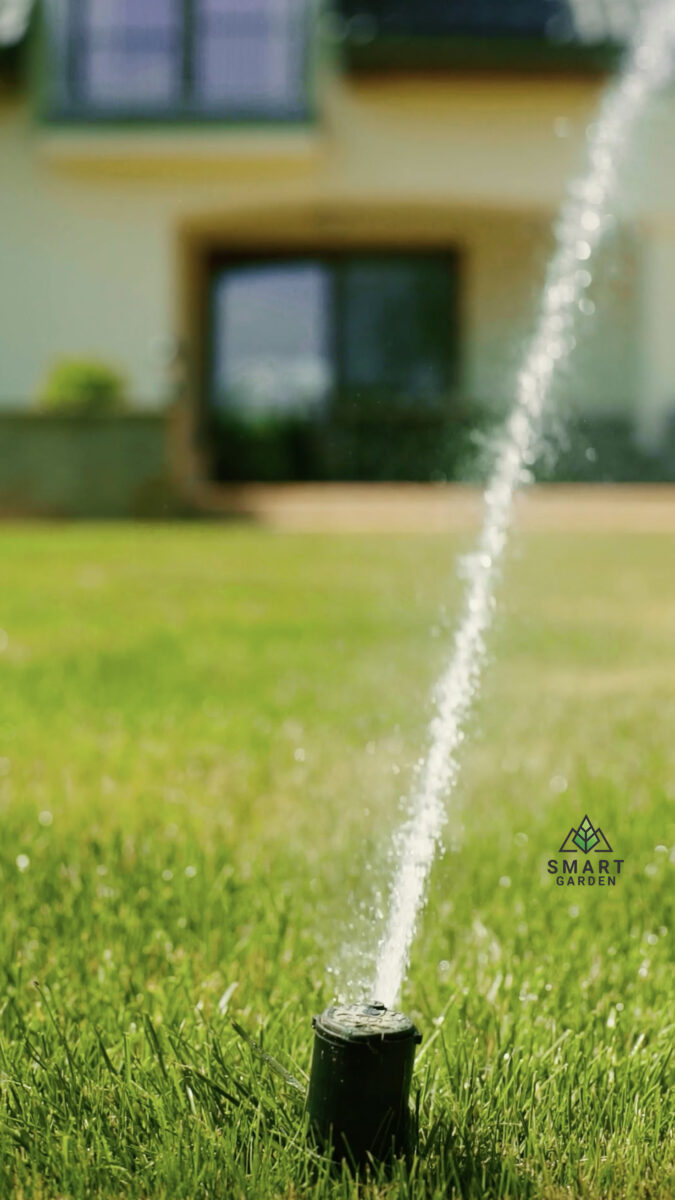
The amount of water required to maintain the right moisture depends on the compactness of the soil. Natural rainfall and its uneven distribution over time do not satisfactorily cover the water requirements of our grass. We water the youngest lawn the most (3-4 weeks), making sure that the lawn surface remains constantly moist. Sprinklers can be used for this purpose. If you water freshly sown seeds too much, they will move across the lawn surface and form hollow or sparser areas on one side and clumps on the other. A well-maintained lawn needs 2 to 5 litres of water per square metre of lawn per week. Watering that moistens the soil to about 2 cm is not effective. The soil should be moistened to a depth of at least about 10-15cm. The most economical way of watering the lawn is in the evening. This avoids losses due to evaporation of water.
Reviews about us
- prace ziemne,
- taras kompozytowy
- układanie kostki
- zakładanie trawnika
- system nawadniania
- sadzenie roślin.
Bardzo otwarte podejście do klienta, chęć pomocy, pracowitość, konkurencyjne ceny, szeroki zakres usług - to cechy, które m.in charakteryzuję tę firmę.
To co ważne dla mnie, to także fakt, że jeśli coś nie do końca poszło zgodnie z planem to firma nie zasłaniała się zapisami w umowie czy kruczkami prawnymi tylko zadziałała aby zrealizować efekt o jaki nam chodziło.
Takich ludzi i takie firmy powinno się wspierać!
nawadniający, siatki zabezpieczające przed kretami, agrowłóknina przeciw chwastom,
trawa, roślin, parking z eko-krat. Wszystko zostało wykonane na najwyższym
poziomie. Jestem bardzo zadowolona z ich pracy, wykazali się ogromną wiedzą,
doświadczeniem, perfekcjonizmem oraz terminowością. Polecam serdecznie.
automatyczne koszenie. Kłopotów po mojej stronie 0. Na wiosnę będą jeszcze sadzić
roślinki. Absolutnie nie mam co do nich żadnych zastrzeżeń. Solidna, profesjonalna
firma godna polecenia ? Przekazują po pracach jeszcze dokładne instrukcji opieki.
Przydali się. Dziękuję
Po mniej więcej roku okazało się, że coś nie działa. Zadzwoniłem do szefa. Następnego dnia serwisant firmy spędził u mnie ponad godzinę. Okazało się, że usterka jest spowodowana słabą baterią (nic na to nie wskazywało). Być może powinienem się domyślić, wiele firm w takiej sytuacji oczekuje zapłaty za "zmarnowany czas". Tutaj tego nie było. Serwis był darmowy i szybki, co bardzo mi się spodobało!